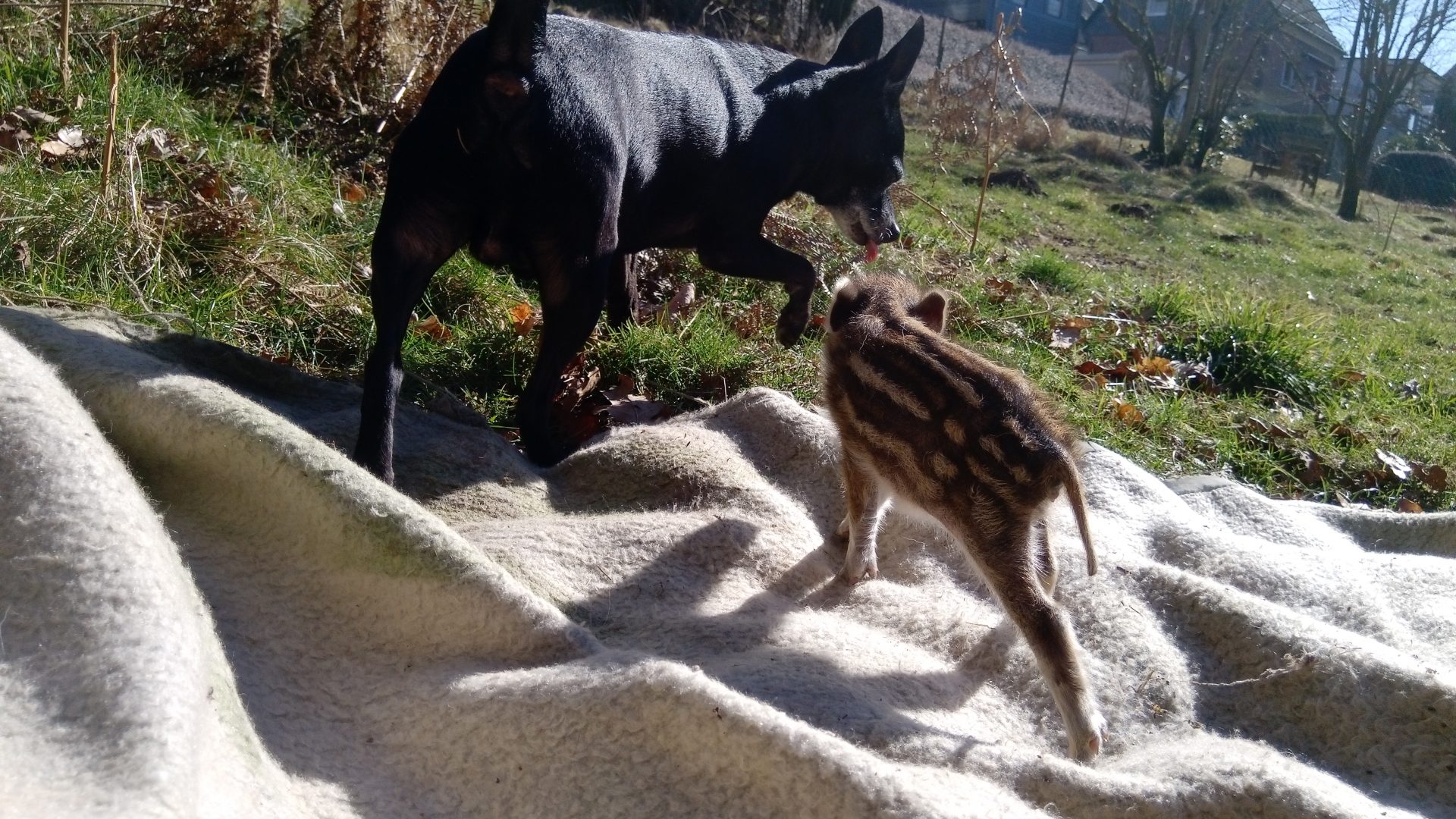
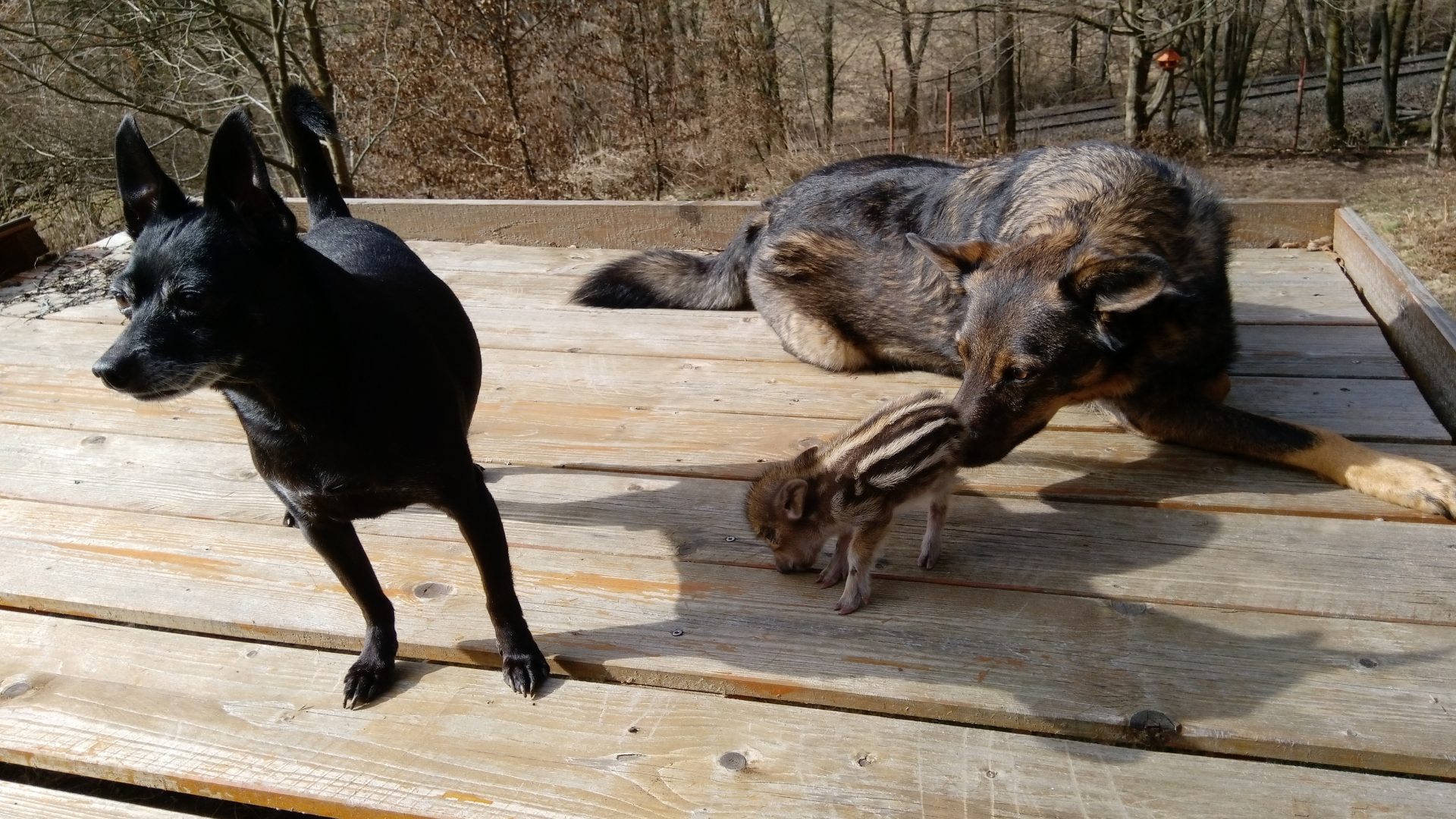
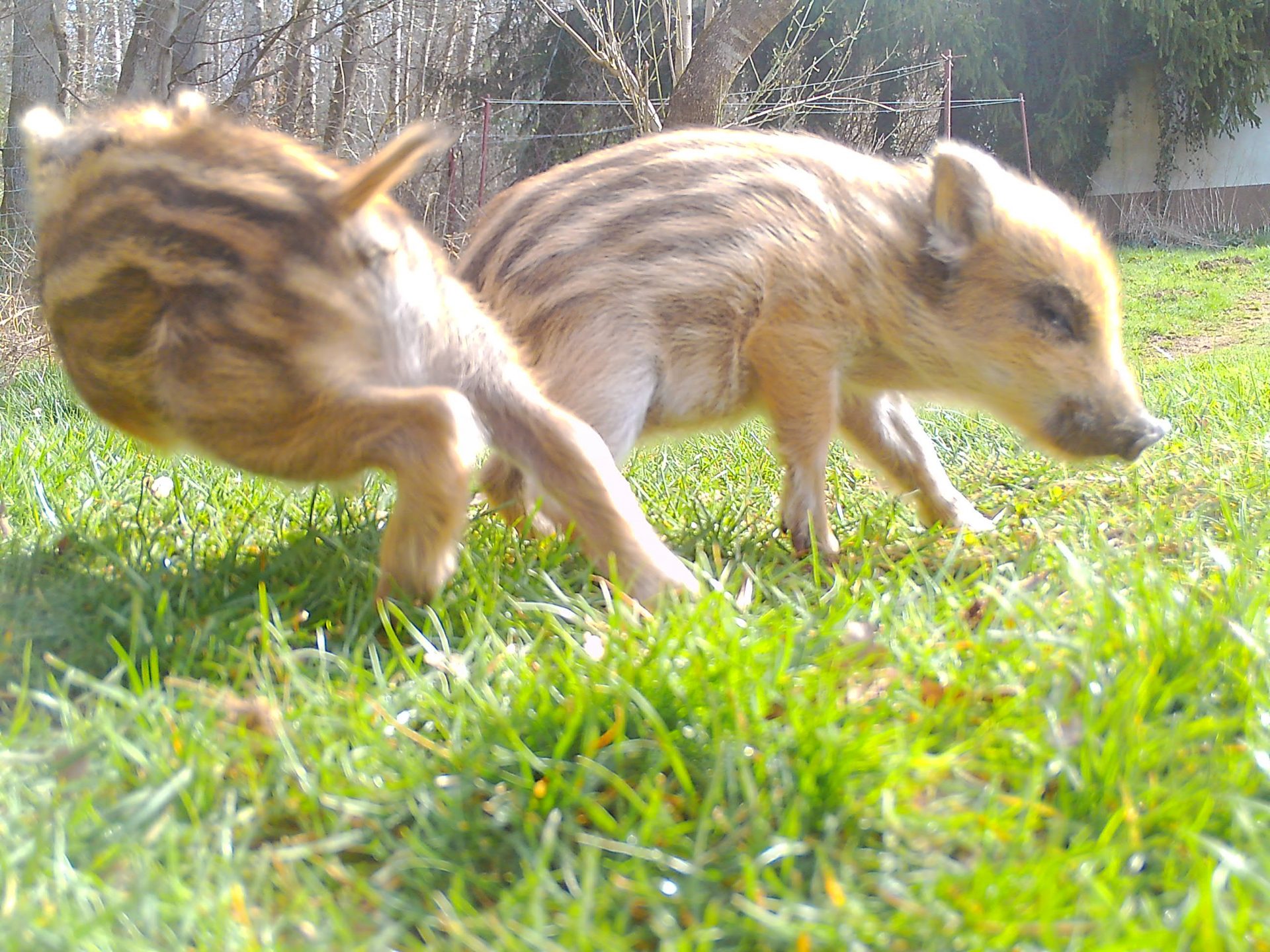
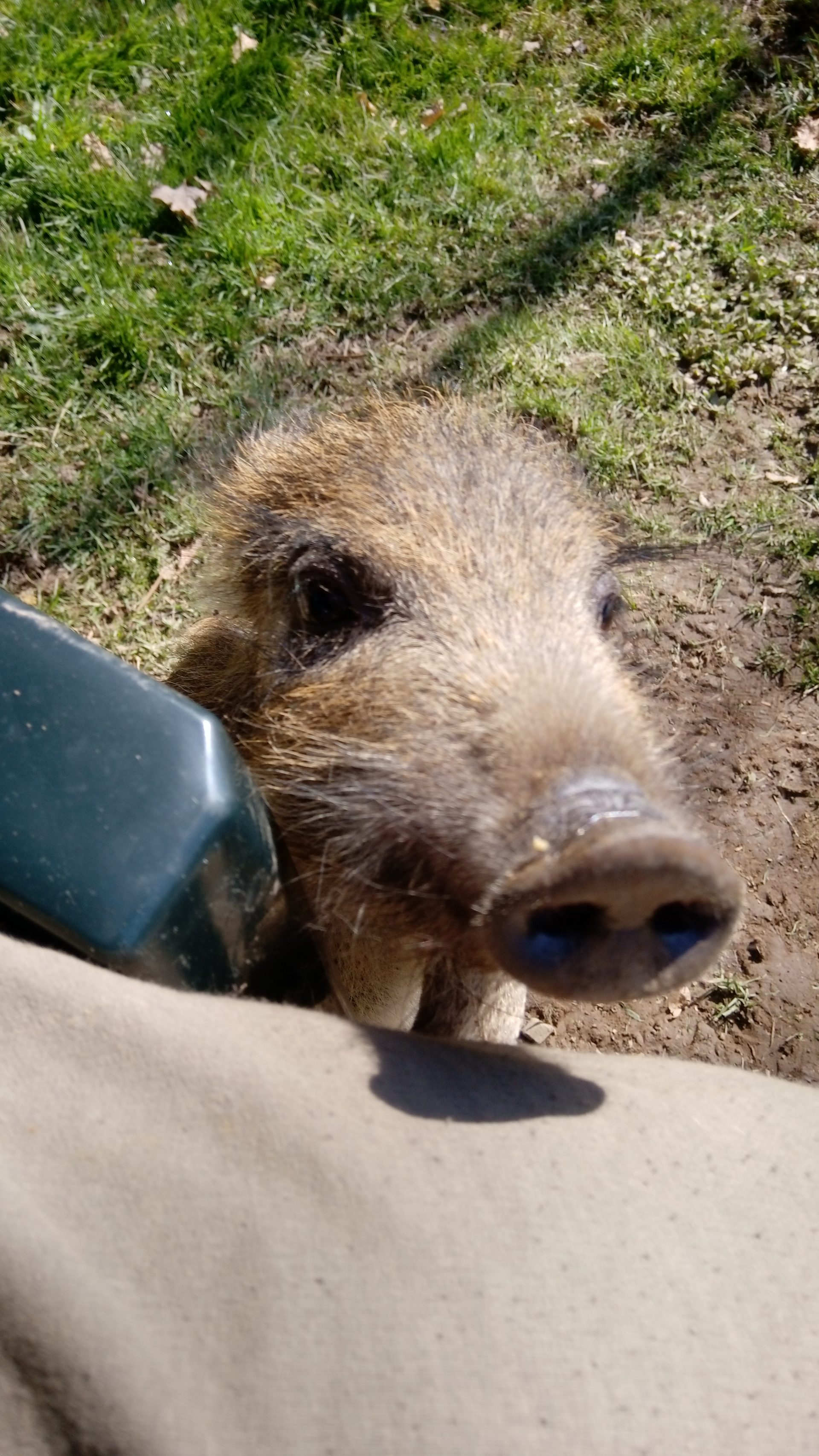
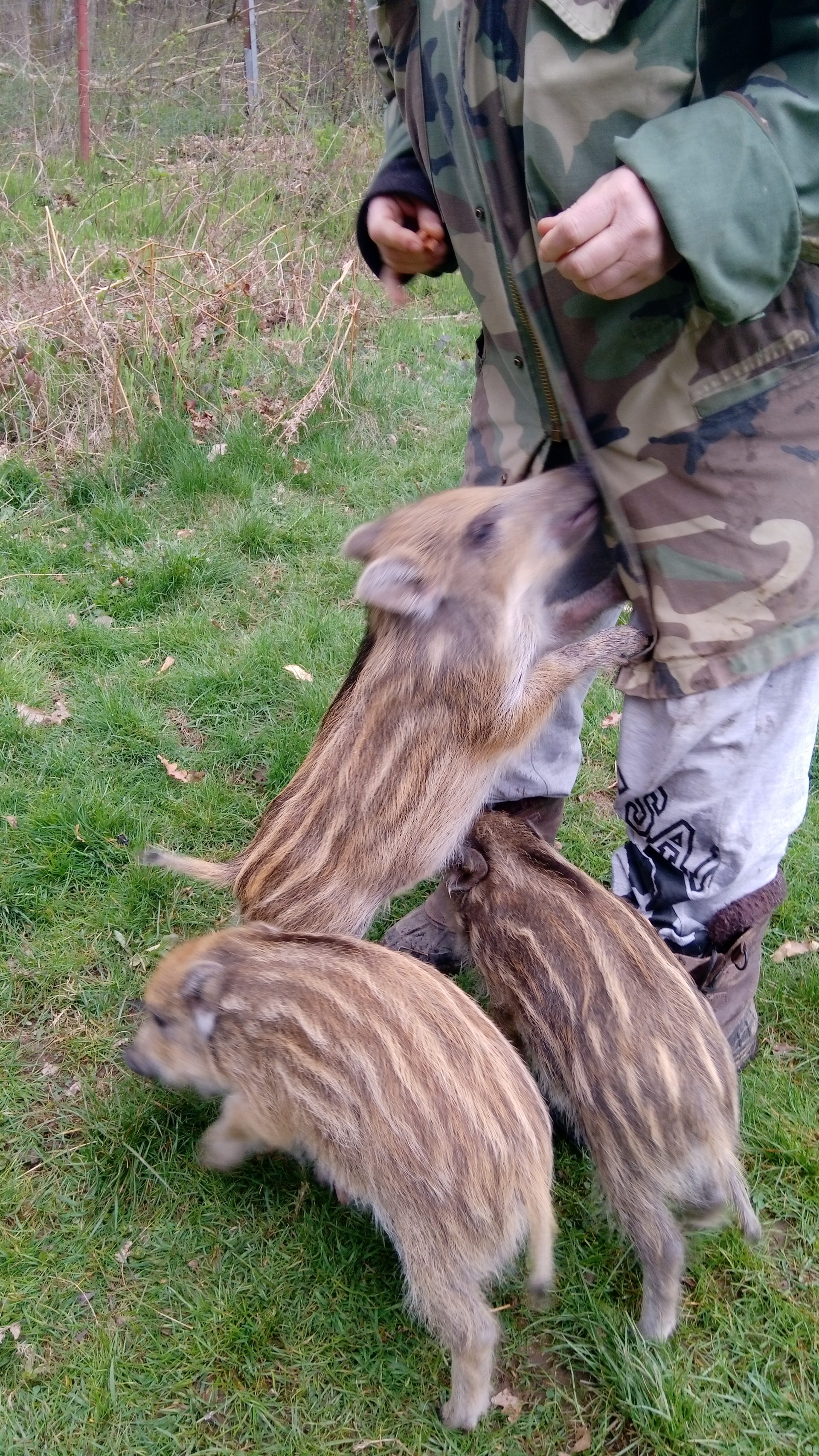
There are lots of animals here in the forest, and I’ll be able to tell you about some of them later. And if there’s one thing that’s almost as common here as mice, it’s wild boars. I tend to avoid them a little, they can be a bit grumpy sometimes. But we all know each other.
This was the case with one of the wild boar mothers who was wandering through the forests here. Unfortunately, one January evening, she was walking along a busy country road and was hit by a car. The local hunters had to put her down and discovered three little piglets. They were so young, the umbilical cord hadn’t dried yet. I would have expected them to do what hunters usually do in such cases: kill the little ones. Not our hunters here.
So one evening in the dark, the doorbell rang at the Hoomans’ door, and the astonished Sabine found herself face to face with a hunter who was carrying a little wild boar girl under his jacket.

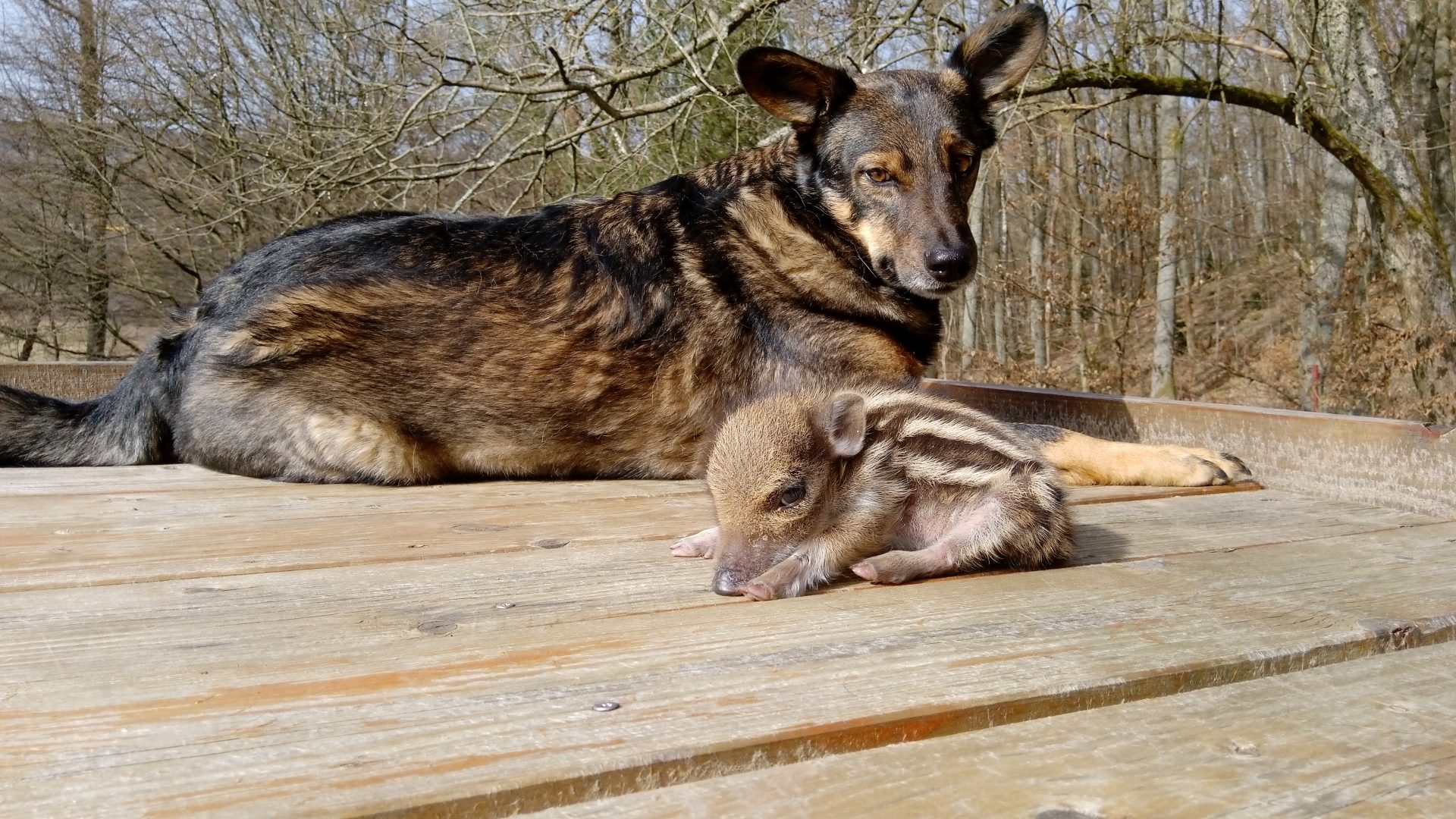
“Can you help the little one, otherwise I’ll have to kill her, she wouldn’t survive,” he said. This was a very unusual patient, but the Hoomans wanted to try the best. And a short time later, the other two siblings were brought over. The Hoomans named them “Chaya” and “Jana,” and the hunter’s son named the little boar “Maximilian.”
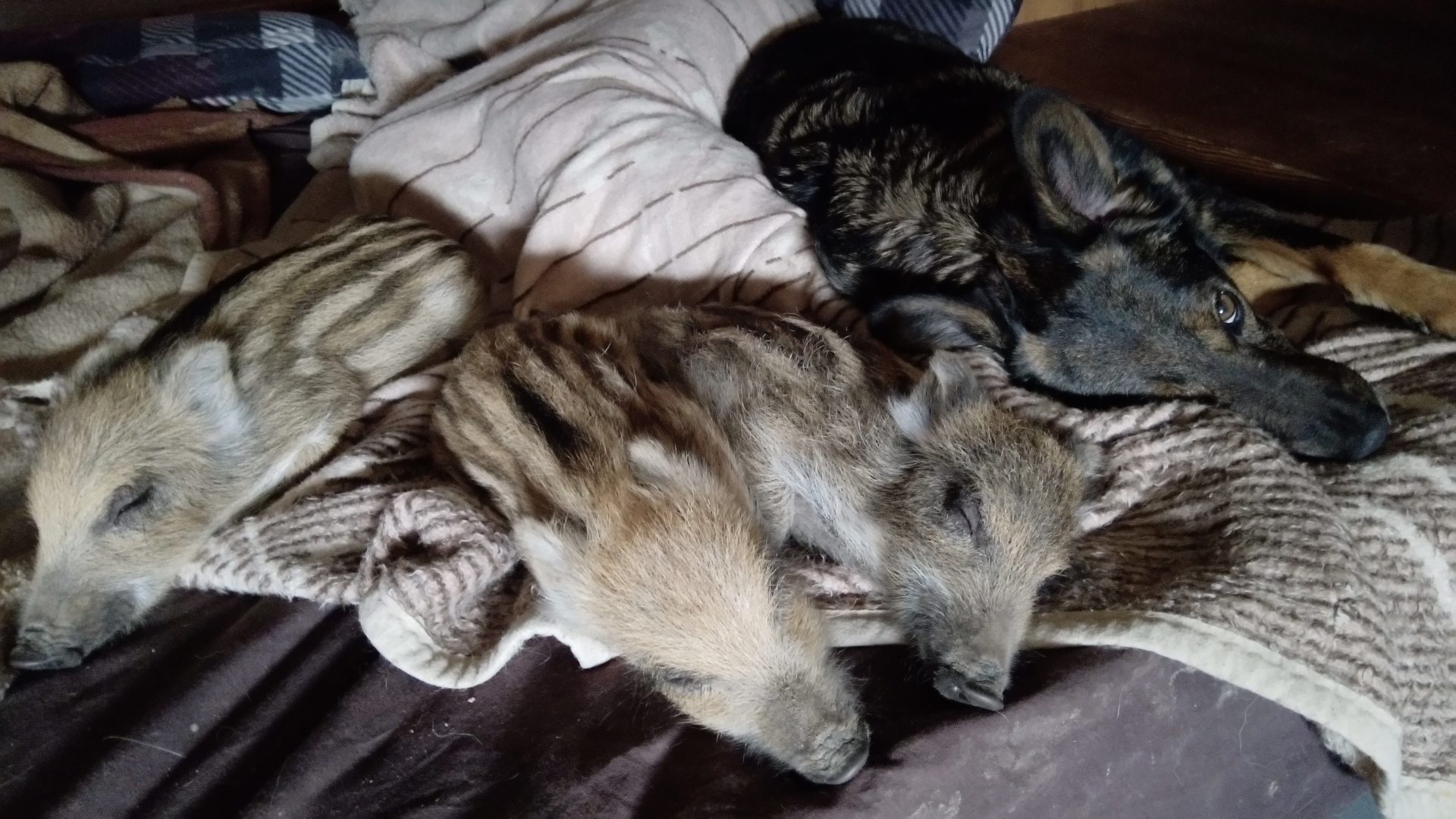
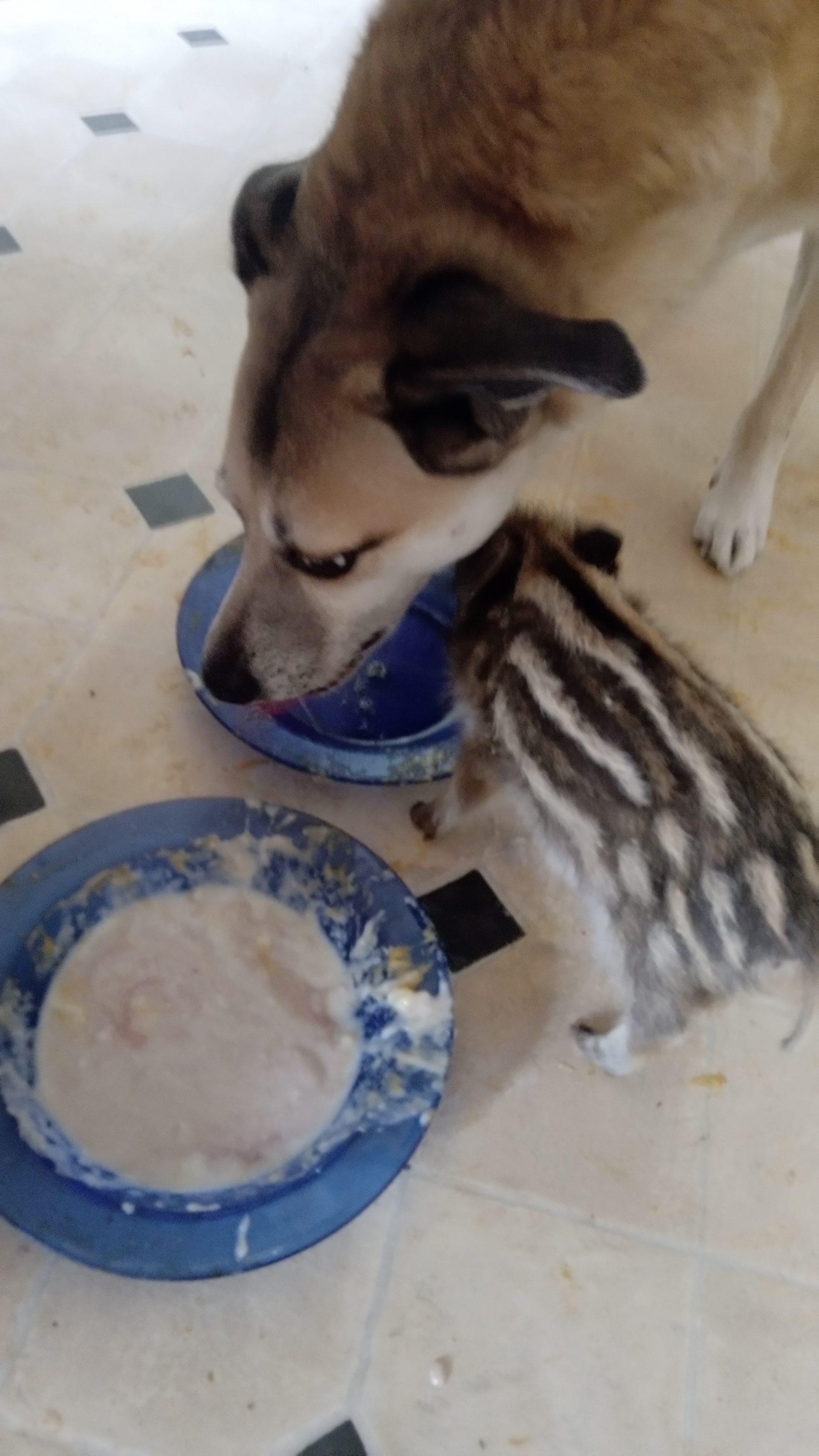
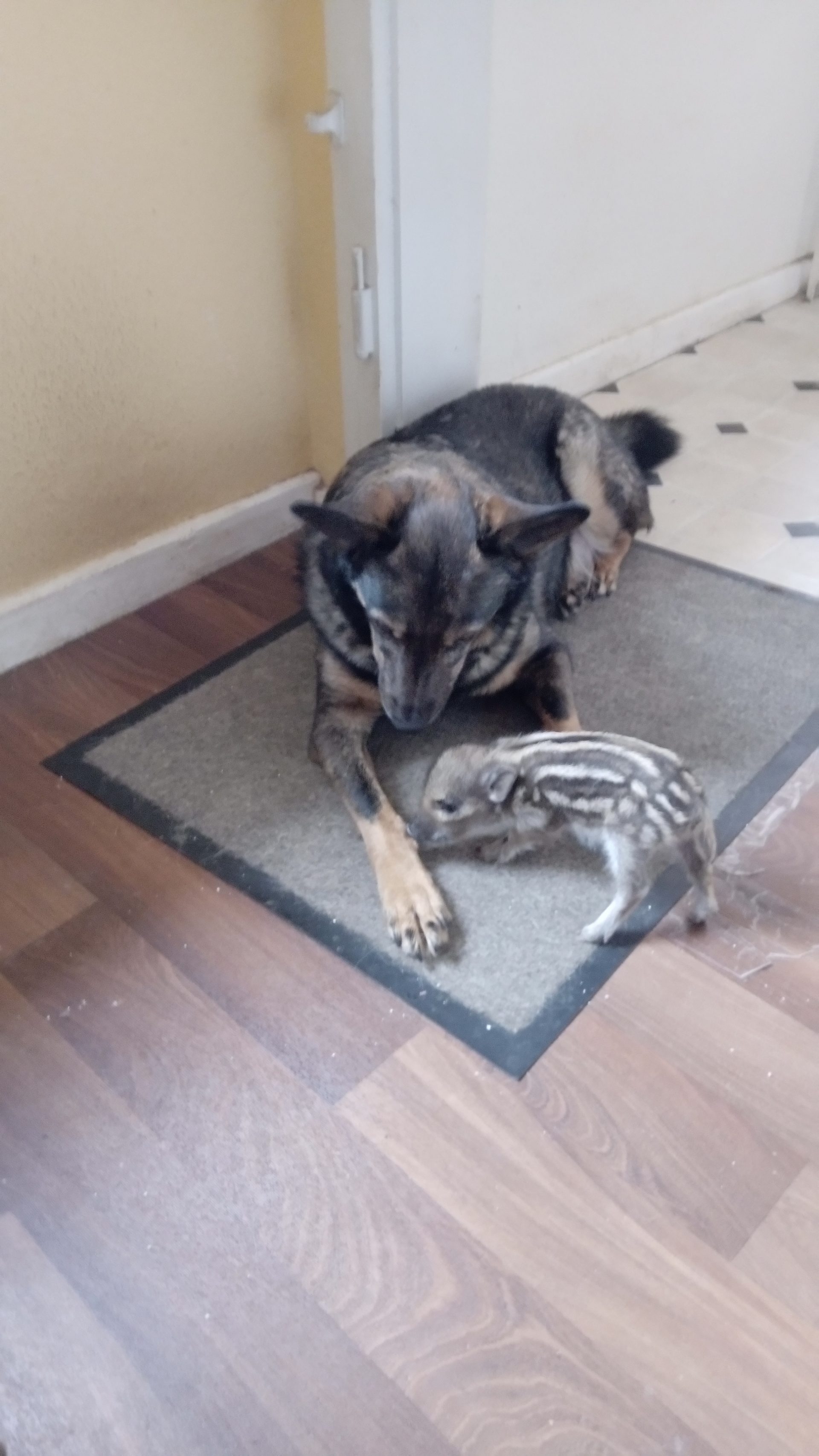
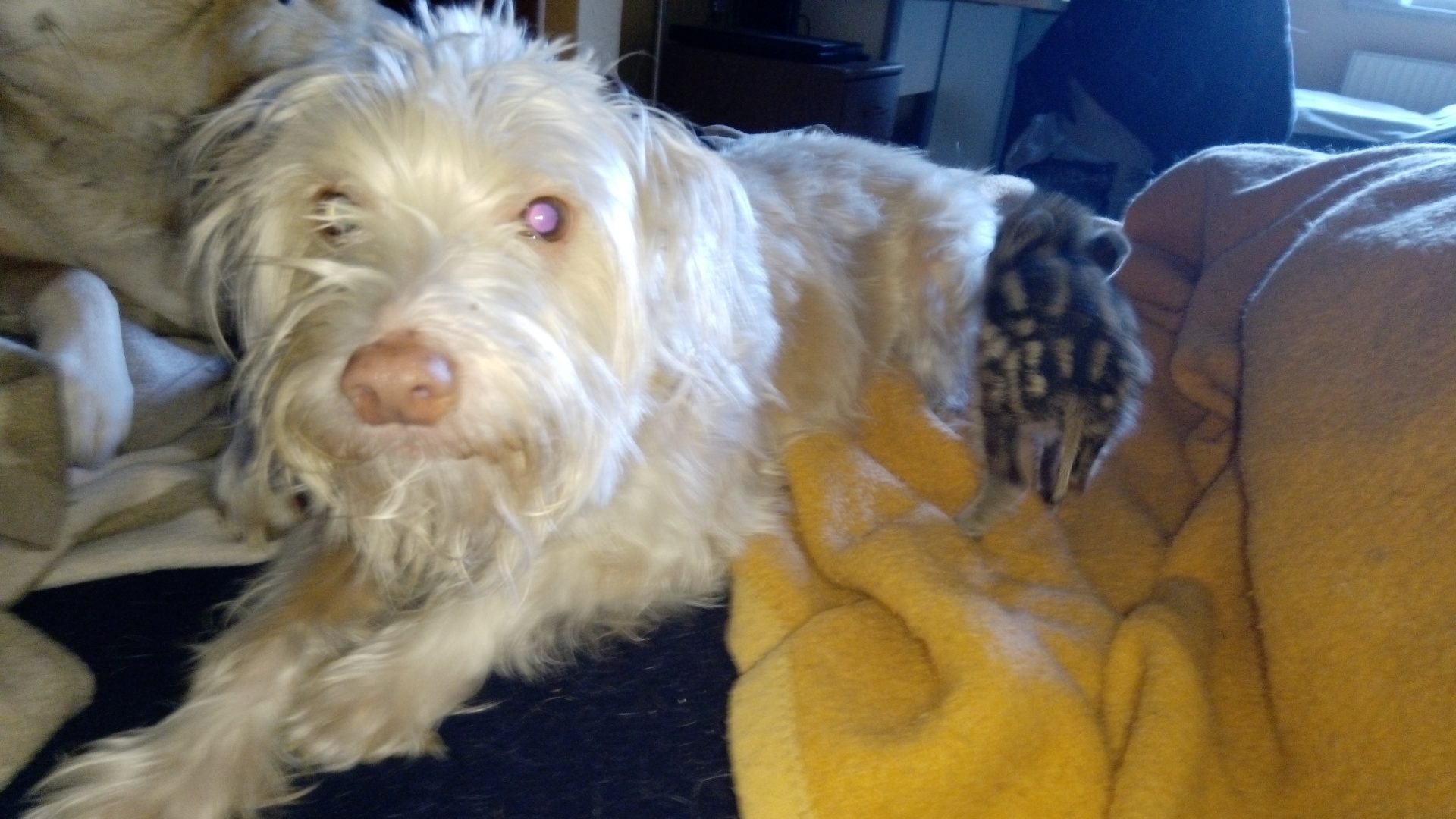
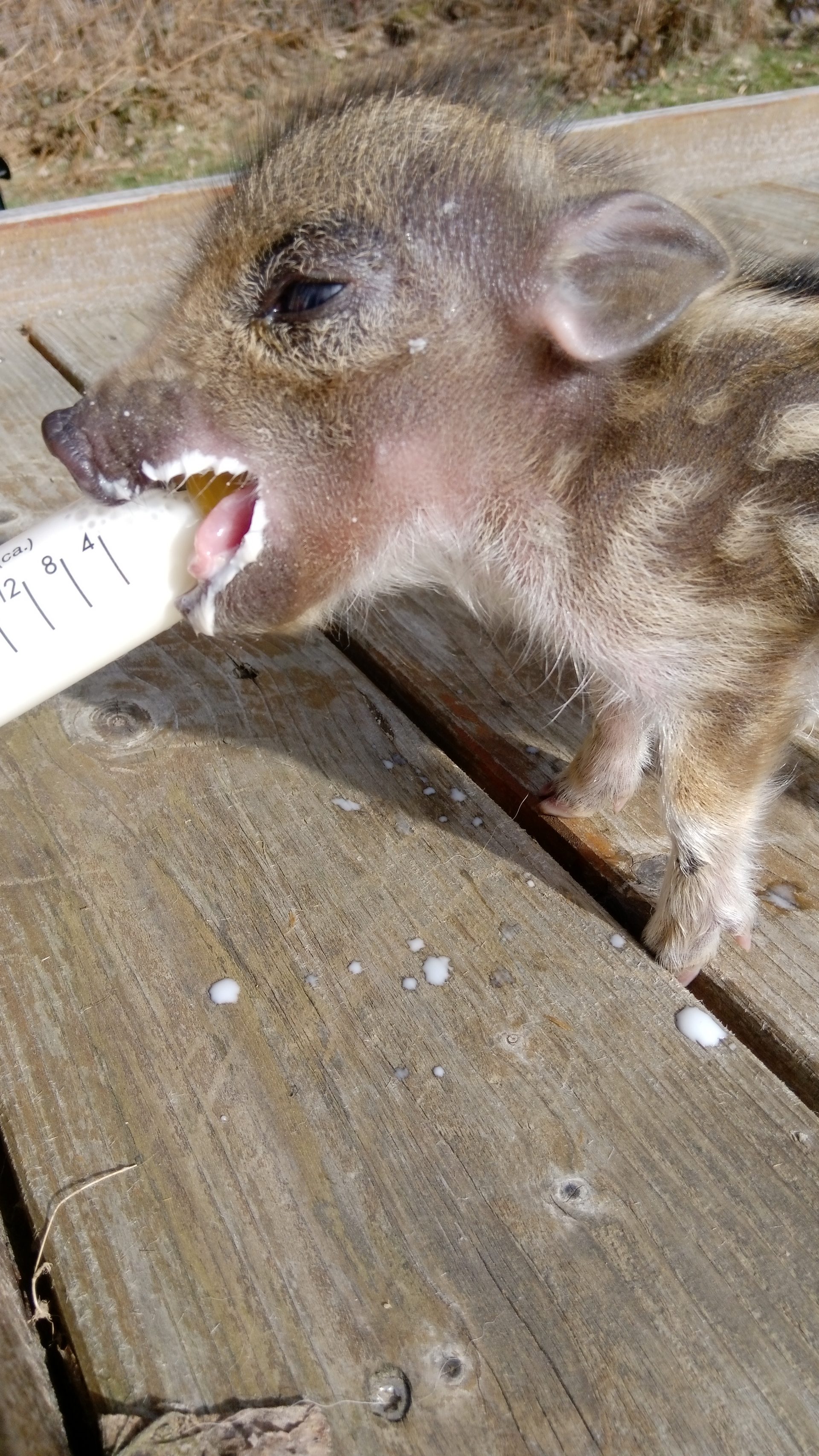
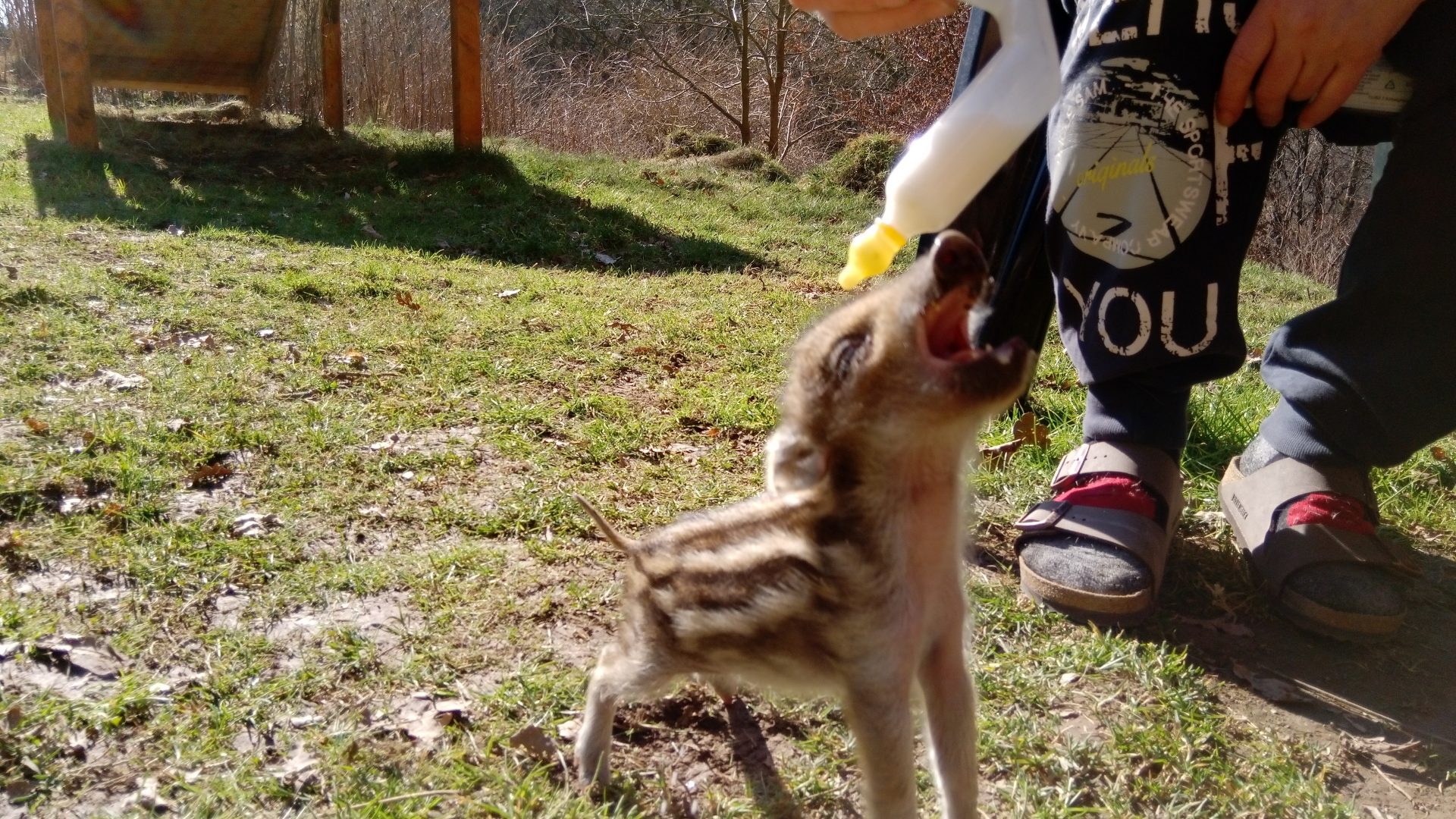
Now the logistical problems began for the Hoomans. Four dogs, three pigs – in the house. It was too cold outside for the little ones, and they needed something to eat every 20 minutes. That meant giving them a bottle. Around the clock, even at night.

At some point, this pushed Joey to his limits, and Sabine was so kind and took three weeks off work for the pigs until they were over the worst of it. That means: after about two months, they only needed to eat something every hour. And for the most part, they could even eat porridge – yay…..

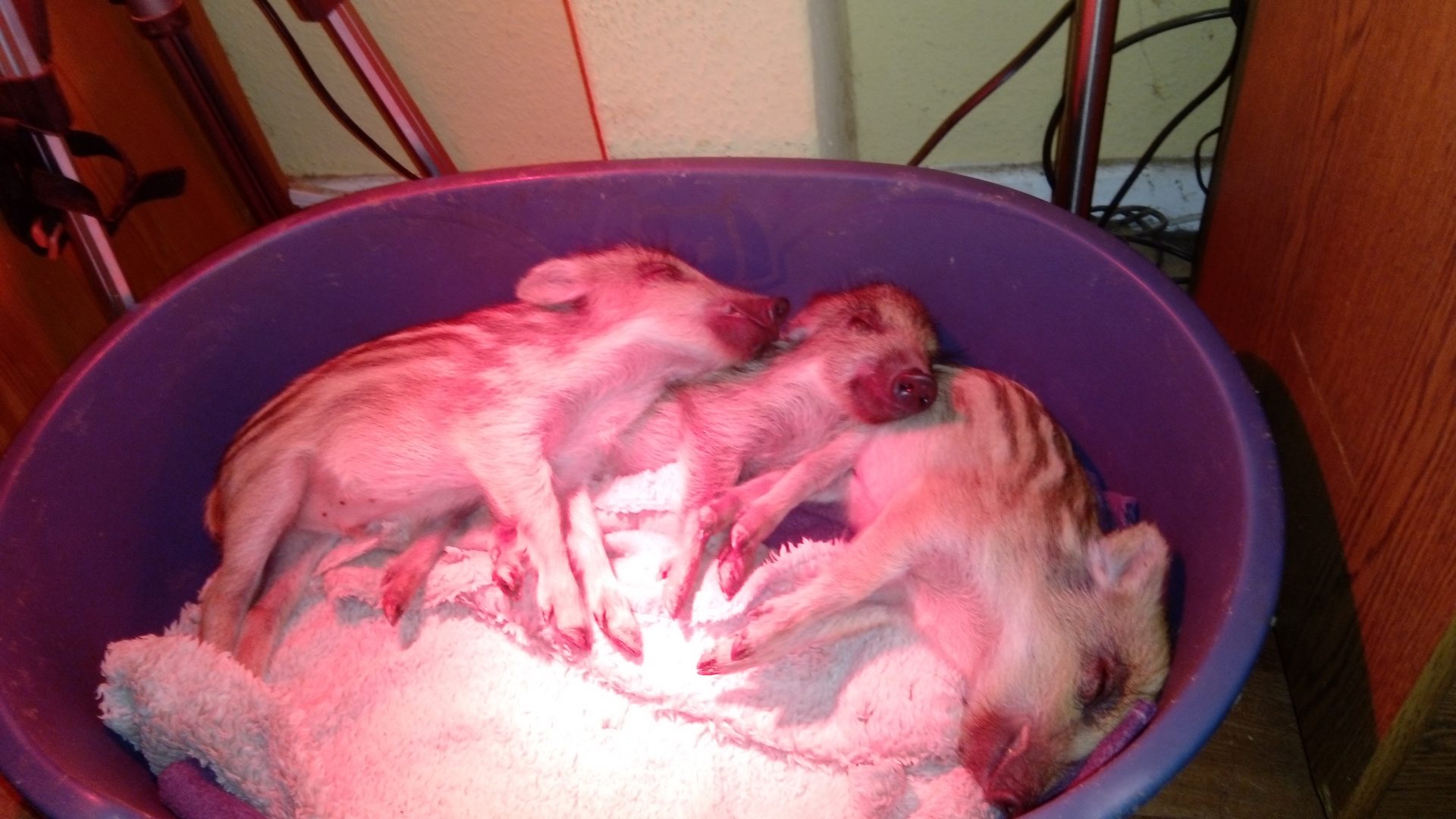
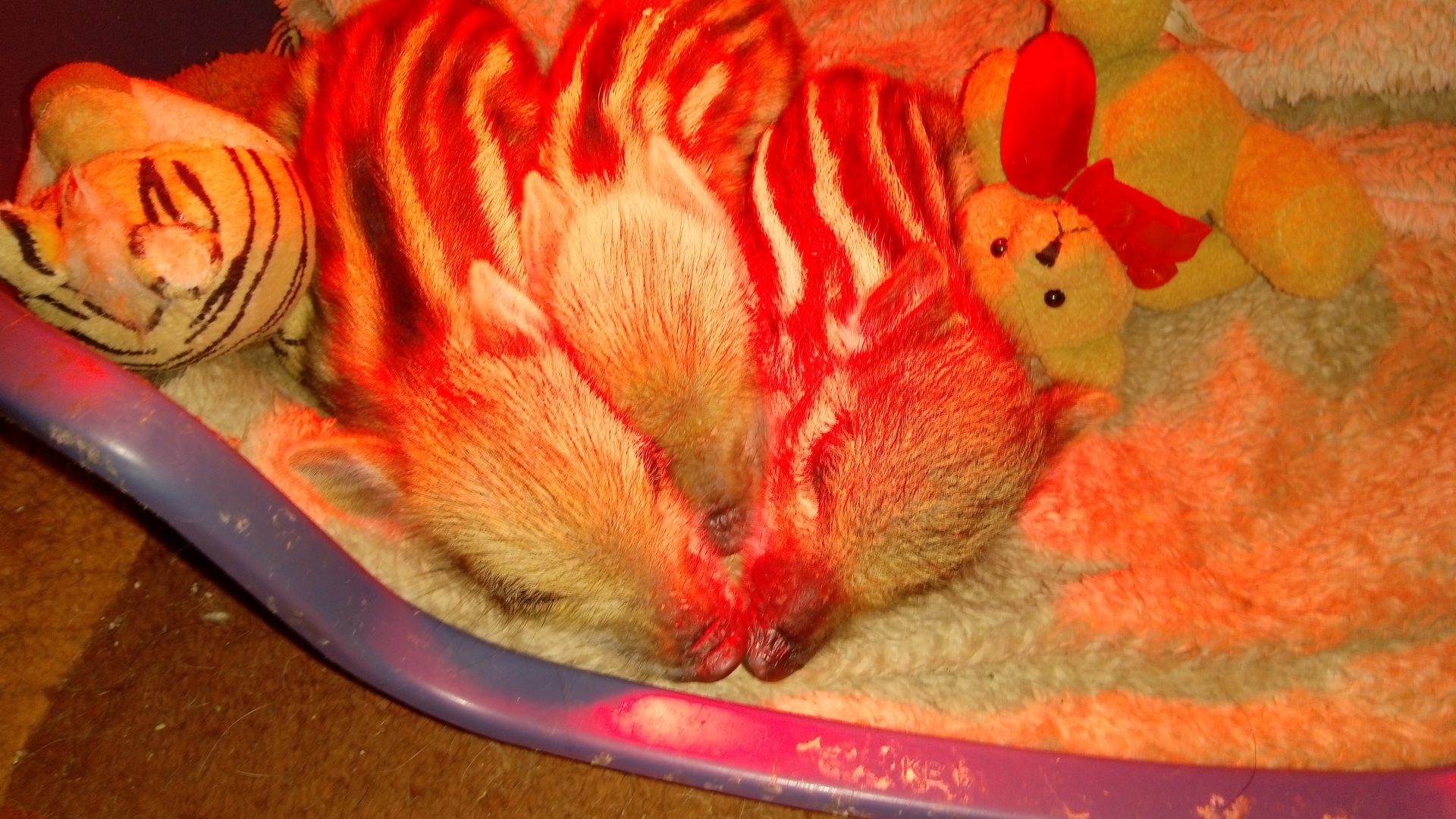
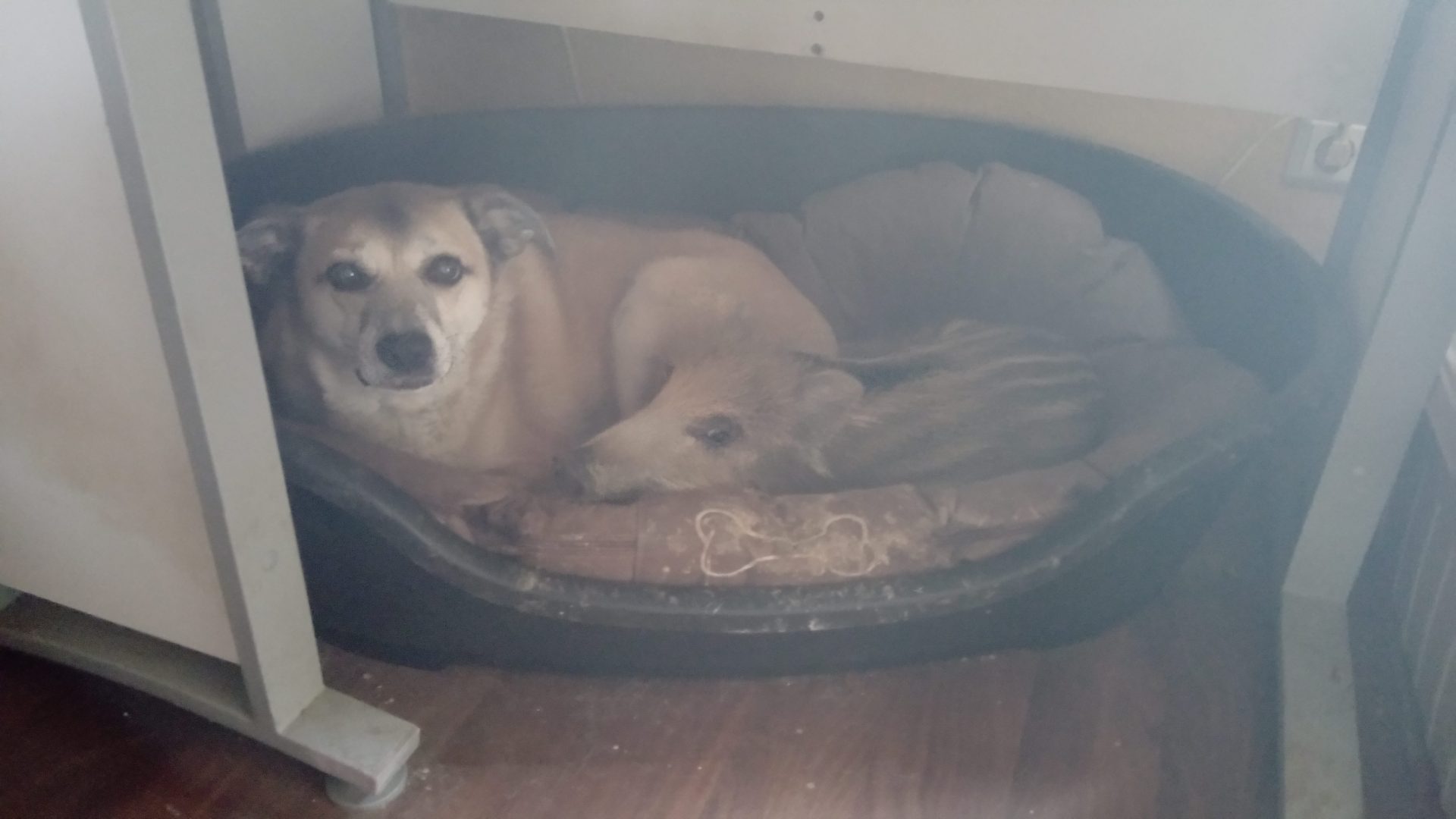
A red light lamp was stapled onto a photo tripod, placed over a large old dog basket, and the “cauldron” was ready – in the Hoomans’ office 🙂

There was still a litter box available to teach the little ones house training – but due to the lack of cats, there was initially no litter.

A towel was all that was needed, and it didn’t take long before all three were house trained: they did their business in the box. If only I could teach my puppies that later on…
Unfortunately, “Chaya” was sick. And Joey’s veterinary studies told him almost nothing about pigs. He asked large animal vets. They just laughed and said “antibiotics or slaughter”, that’s all it’s worth with pigs. Joey was horrified and asked two veterinary universities. The answer was similar, but they could come with the little one and then they would try to help. Well… Joey could experiment too. So a pig therapy plan was developed, and after a while “Chaya” was well again.

inflammation and parasites
It could have gone wrong. Unfortunately, pigs are worth nothing at all – they are not even granted medical treatment. For them, death is the end of suffering and illness.
While all the problems could be solved, there was a much bigger problem: German authorities. It is strictly forbidden to keep any wild animal at home. In a few exceptional cases, such as foxes, it may be permitted to give them medical treatment and then release them back into the wild (how lucky I am). But otherwise, especially as a pig, there is a high penalty. And with wild boars, the problem is: if they get used to people, they become dangerous later on. Simply because they are so big, heavy, fast and clumsy. Nobody wants a 100 kg wild boar begging a walker for food. That can be unpleasant. So what should they do?
Actually, the problem was unsolvable: the little ones would have had to be killed. But for the Hoomans, an army would have had to move in to enforce this. So the authorities were asked to grant an exemption. The hunters and the head of the hunting authority campaigned hard on the Hoomans’ behalf to make this possible. And lo and behold, in principle they were not completely opposed to it. A lady from the local veterinary office paid a visit to the Hoomans’ animal sanctuary (which actually only housed dogs). She granted permission to keep the pigs under many conditions:
- Vaccination against various diseases
- Access control to the property
- Video surveillance
- Disinfection baths for people from the garden to the property and from the house to the property
- a double fence: a 60 cm deep undermining protection on the outer fence, then another fence at a distance of one meter from the outer fence so that the pigs inside cannot under any circumstances touch the pigs outside. All because of this strange swine fever
If all of this was fulfilled, the authorities said, the little ones would be allowed to stay for life. The vet then said why we wanted to spend so much money and effort on three little pigs, we should keep them for a few months and then grill them, that would be easier. I have never seen a person with rabies, Joey was so livid, and I didn’t know that Sabine was strong enough to hold back this 114 kg guy. With shaking hands, Joey then wrote a lifelong ban on the house on the computer and sent it to the authorities.
Then a fence builder came. He gave a cost estimate: 15,000 euros for double-rod matting as an external fence (so far there is only a wildlife fence). Joey wanted to build the internal fence himself. There was just one problem: half of the property is in the forest. It would not have been possible to dig a protection barrier through all the roots there. That meant the project was canceled: there could be no permit for the little ones.
So what should they do? Another phone call to an authority. It was agreed that the Hoomans could raise the little ones until they could move to a wildlife park. The Hoomans attached great importance to this being a park in which the animals would die a natural death and not be killed. Otherwise they would not be handed over. The authorities searched all over Germany and found a park that met the requirements – just under 100 km from the Hoomans.
And so the little ones moved to a new home at around 8 months old, where they will hopefully be able to live happily for a long time – with the maximum possible freedom and space that the Hoomans could never have offered them.
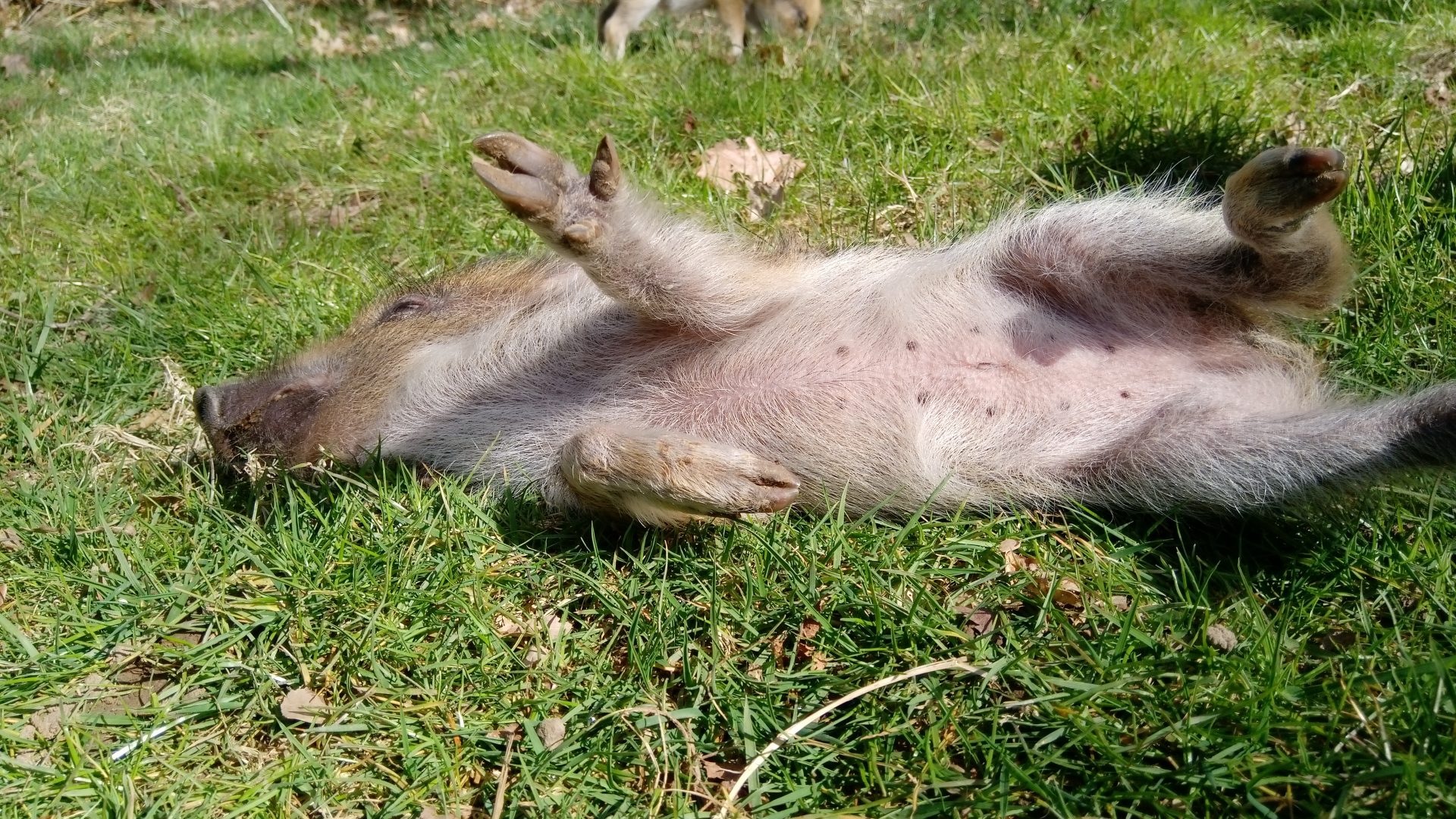
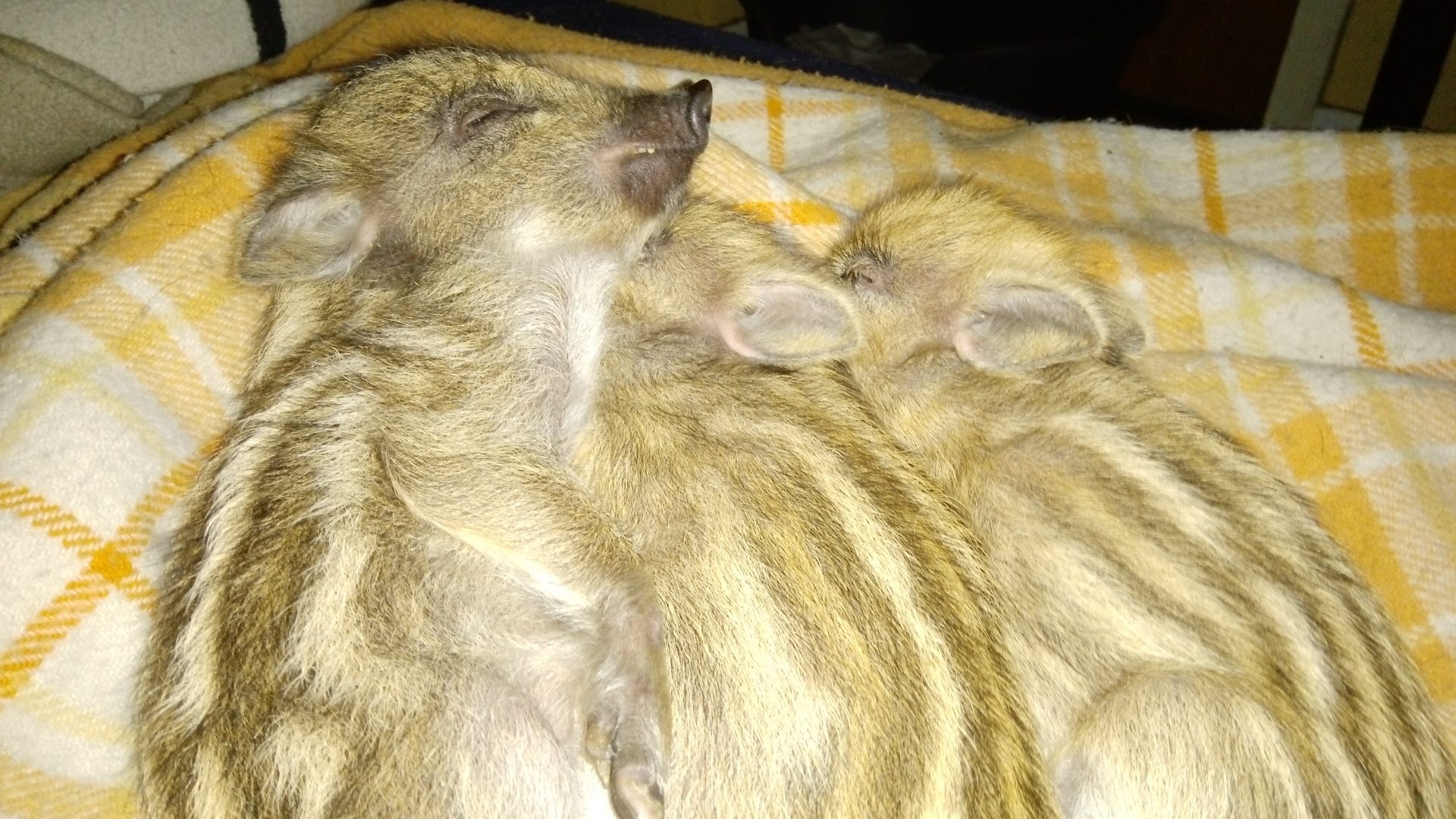
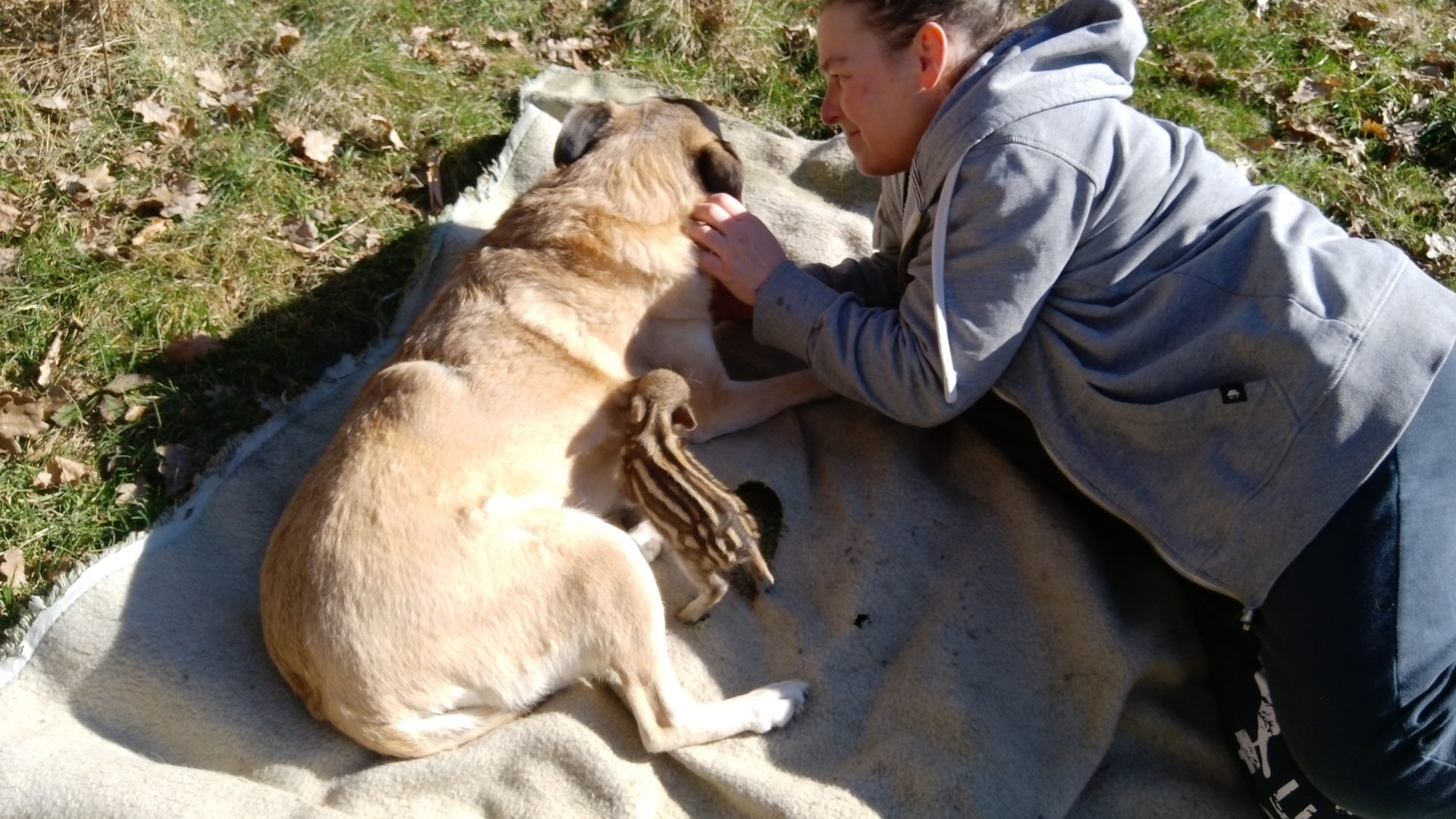
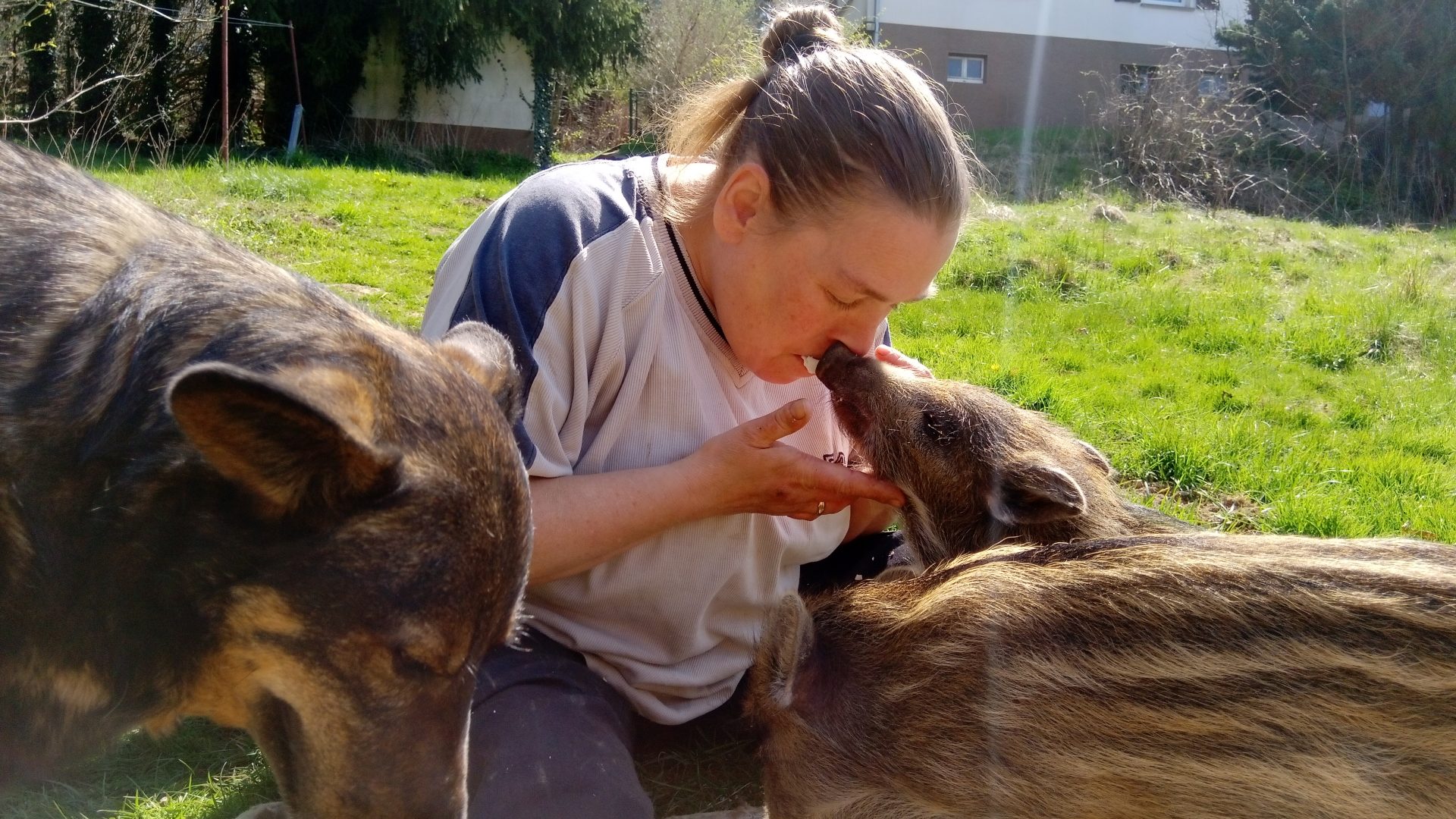
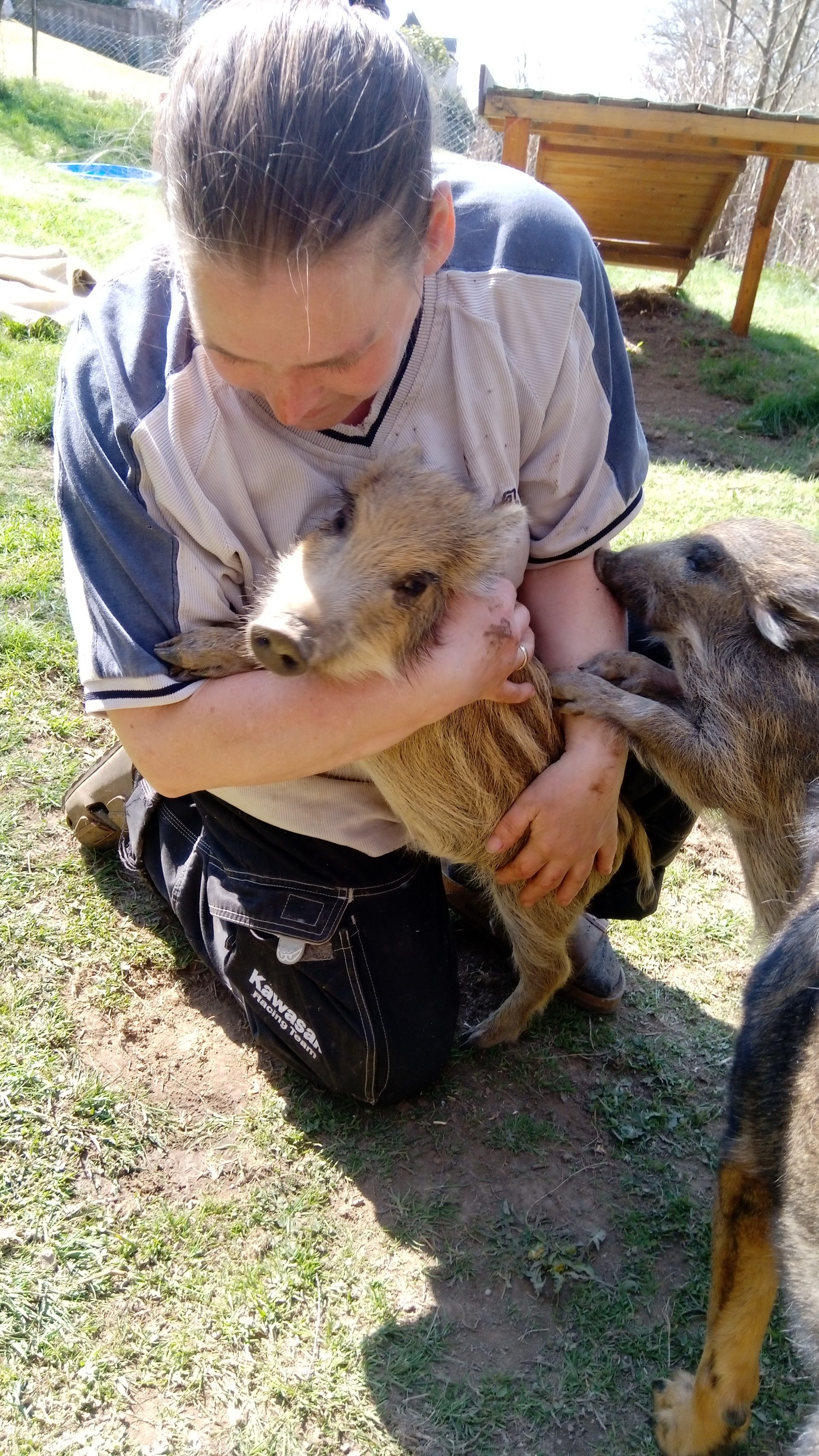
Here are a few more impressions of the little ones: